Born in Kyoto. Living in Tokyo. Obsessed with Japanese knives, cooking, and the traditions that make Japan unlike anywhere else in the world.
Hi, I’m Takuma
I’m a 25-year-old living in Shibuya, Tokyo — but Kyoto is where I come from, and in many ways, it’s still where my heart lives.
I grew up surrounded by temples, machiya townhouses, and a culture that treats craft as something sacred. That upbringing gave me a deep respect for things made slowly, with intention — and Japanese knives are the perfect expression of that philosophy.
I started Japan Knife Gateway because I kept seeing the same problem: English-speaking cooks who genuinely wanted to understand Japanese knives — the steel, the makers, the traditions — but couldn’t find information that was both accurate and written by someone who actually lives here.
I’m that person. I shop at the actual stores. I speak the language. I cook with these knives every day.
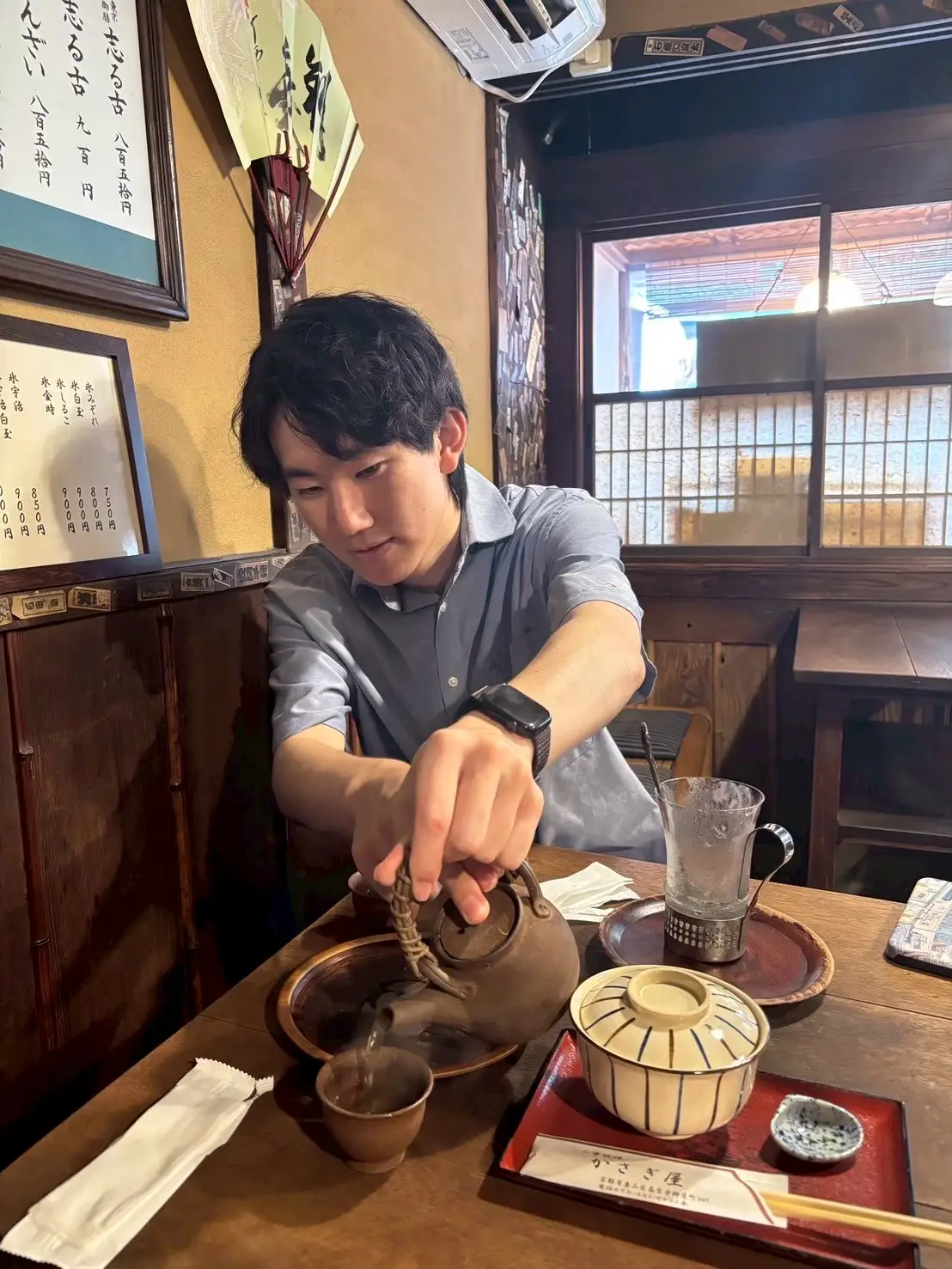
From Kyoto, With Love
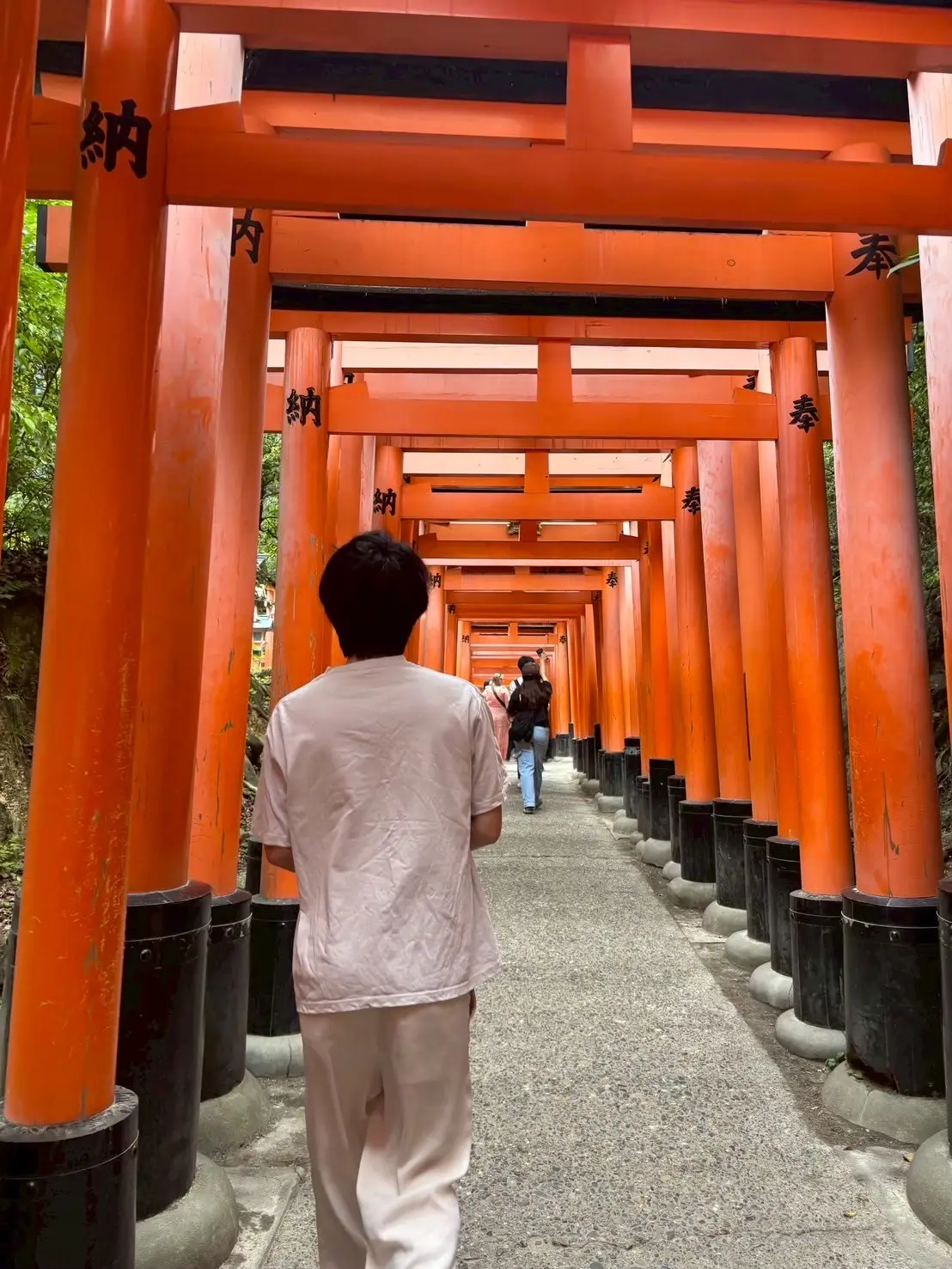
Kyoto isn’t just a backdrop — it’s a way of thinking. The city has preserved crafts, rituals, and aesthetics that most of the modern world has discarded. Growing up there trains you to notice quality, to slow down, and to ask: who made this, and how?
That question is at the centre of everything I write. When I review a knife from Sakai, I’m not just testing the blade — I’m tracing it back to a 600-year tradition of craftsmanship, to specific steel types and forging methods that exist nowhere else on earth.
Japan’s knife-making regions — Sakai in Osaka, Seki in Gifu, Tsubame-Sanjo in Niigata — each have their own character and heritage. Understanding that context is what separates a good knife review from a great one.
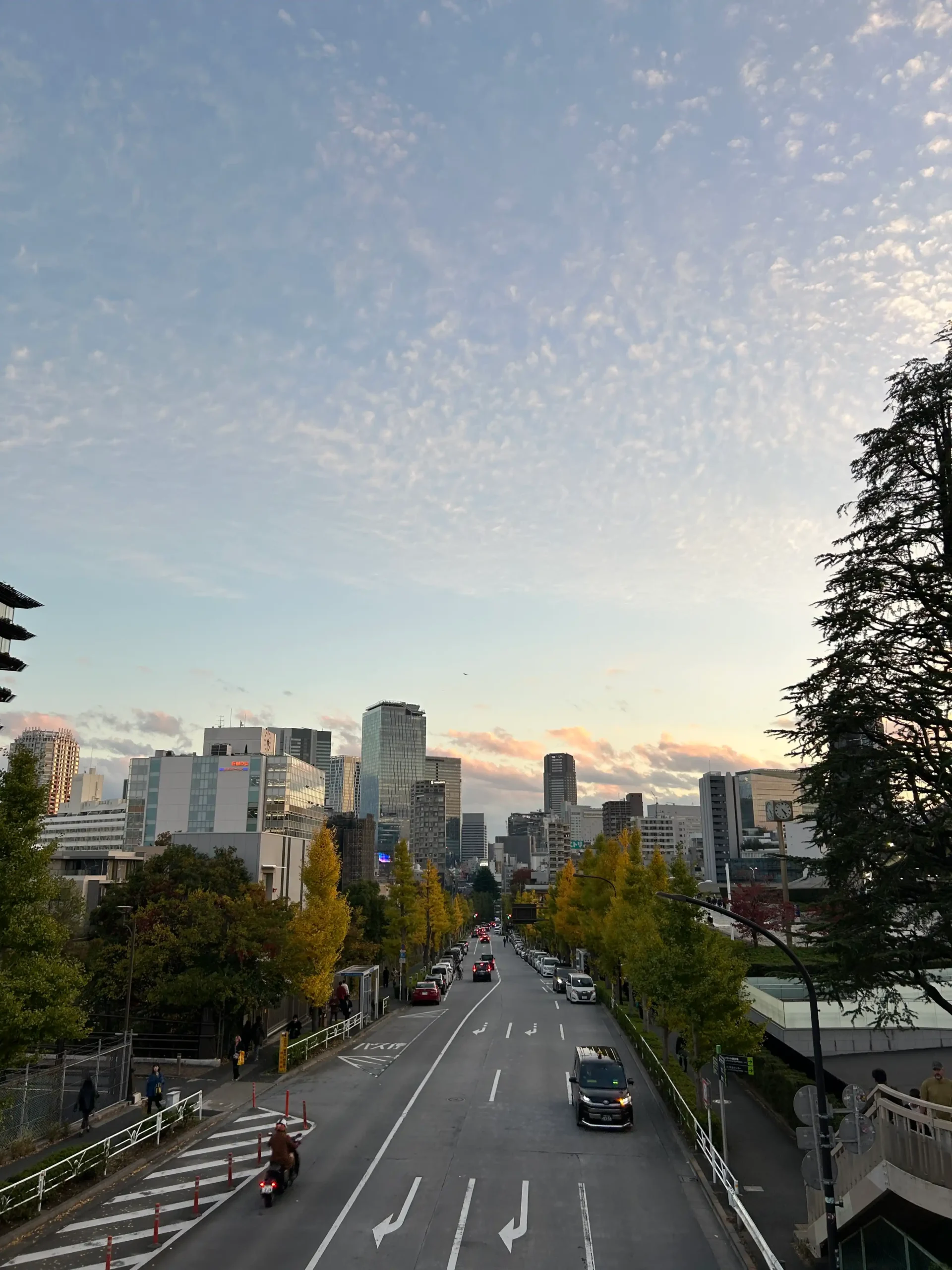
Now Based in Tokyo
I moved to Shibuya, Tokyo in my early twenties — and Tokyo has been the perfect base for everything I do. Within an hour, I can be at Kappabashi (合羽橋), Tokyo’s legendary kitchen district, handling knives that most international buyers can only see in photos.
I visit knife shops regularly — not as a journalist with a press pass, but as a customer who is genuinely deciding whether to spend money on something. That perspective matters. I know what it feels like to stand in a shop and not know which knife to choose. I’ve been that person.
My collection currently includes knives from JIKKO (堺), Tojiro, and several smaller Kyoto makers I discovered through personal referrals. Each one taught me something different about what good steel and craftsmanship actually feel like in use.
What I Write About — and Why You Should Trust It
Every review and guide on Japan Knife Gateway is written from personal experience. I buy the knives myself. I use them in my own kitchen. I visit the shops. When I say a knife has exceptional edge retention or an awkward handle grip, it’s because I felt it — not because I read it somewhere else.
- 🔪 Knives personally owned and tested: JIKKO Nakiri, and growing
- 🗾 Japan-based: Access to stores, makers, and Japanese-language sources unavailable to overseas writers
- 🍳 Daily cook: These knives go through real use — not just unboxing shoots
- 📍 Kyoto-raised, Tokyo-based: A cultural perspective shaped by Japan’s most craft-conscious city
I don’t claim to be a professional chef or a metallurgist. What I am is someone who takes Japanese knives seriously, lives in Japan, and writes honestly about what he finds.
Get in Touch
Have a question about a specific knife? Curious about a Japanese maker I haven’t covered yet? I read every message and reply when I can.
The best way to reach me is through the contact page — or simply keep reading. The knives I recommend are the ones I’d buy again myself.
— Takuma, Japan Knife Gateway